
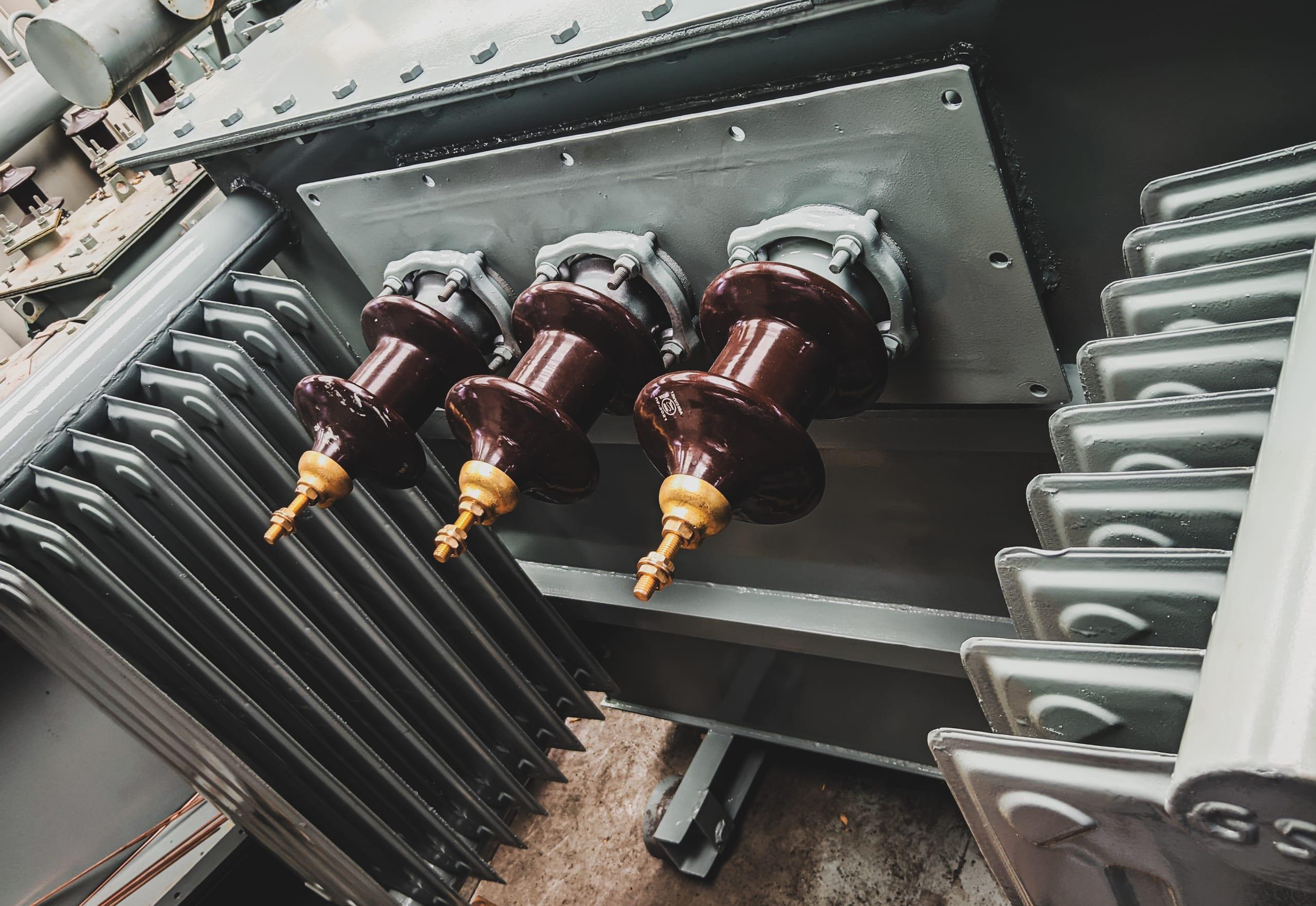
Bushings
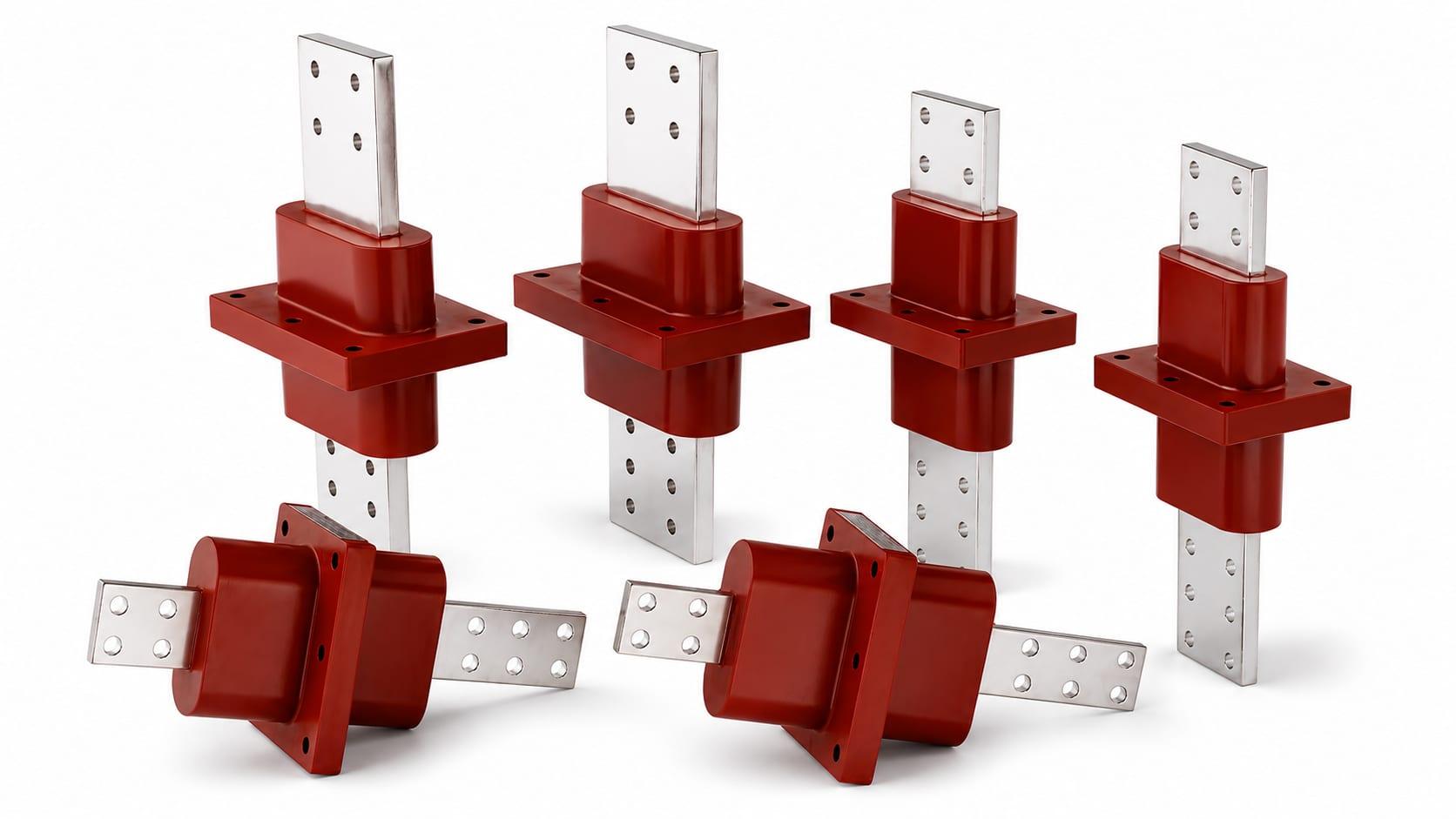
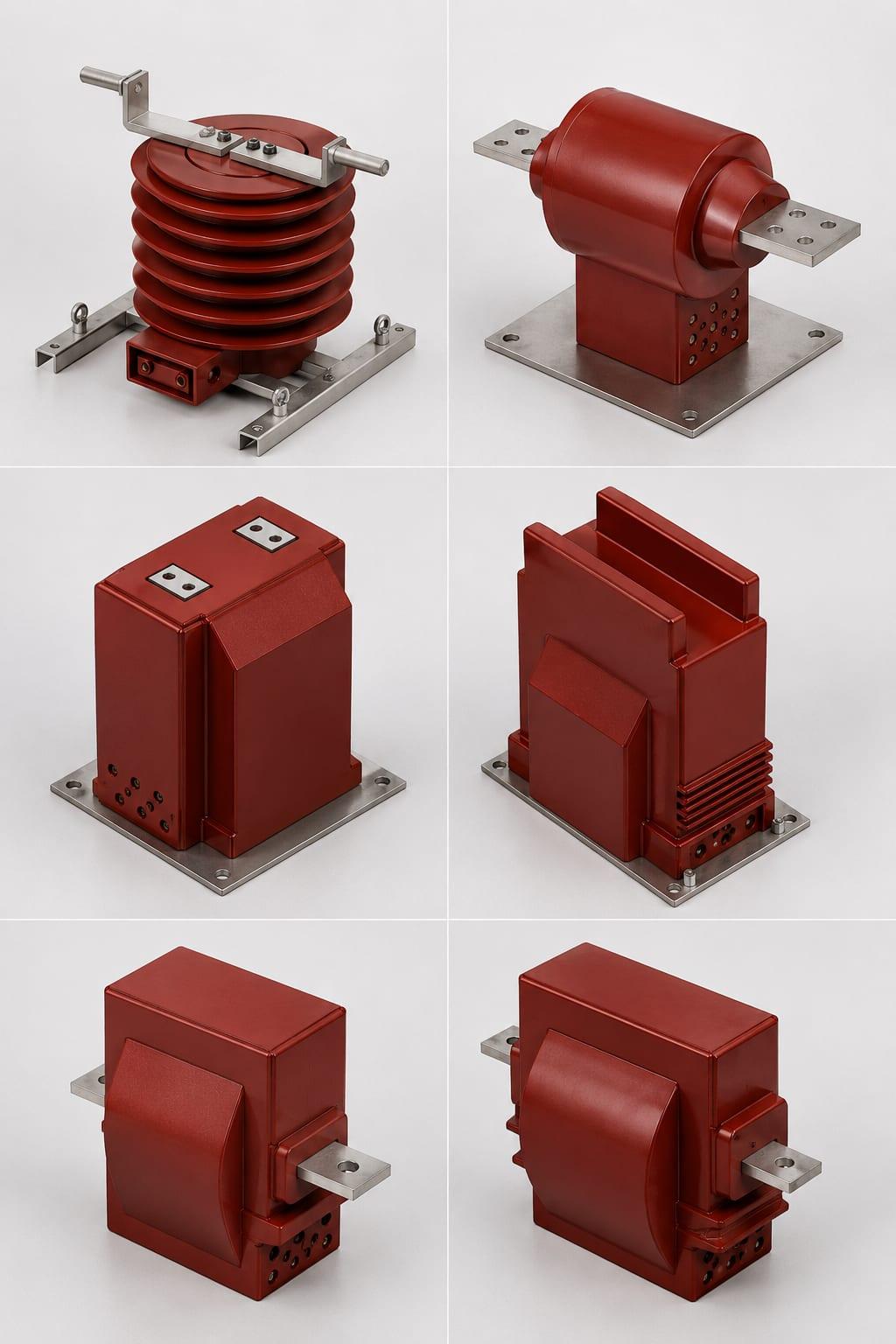
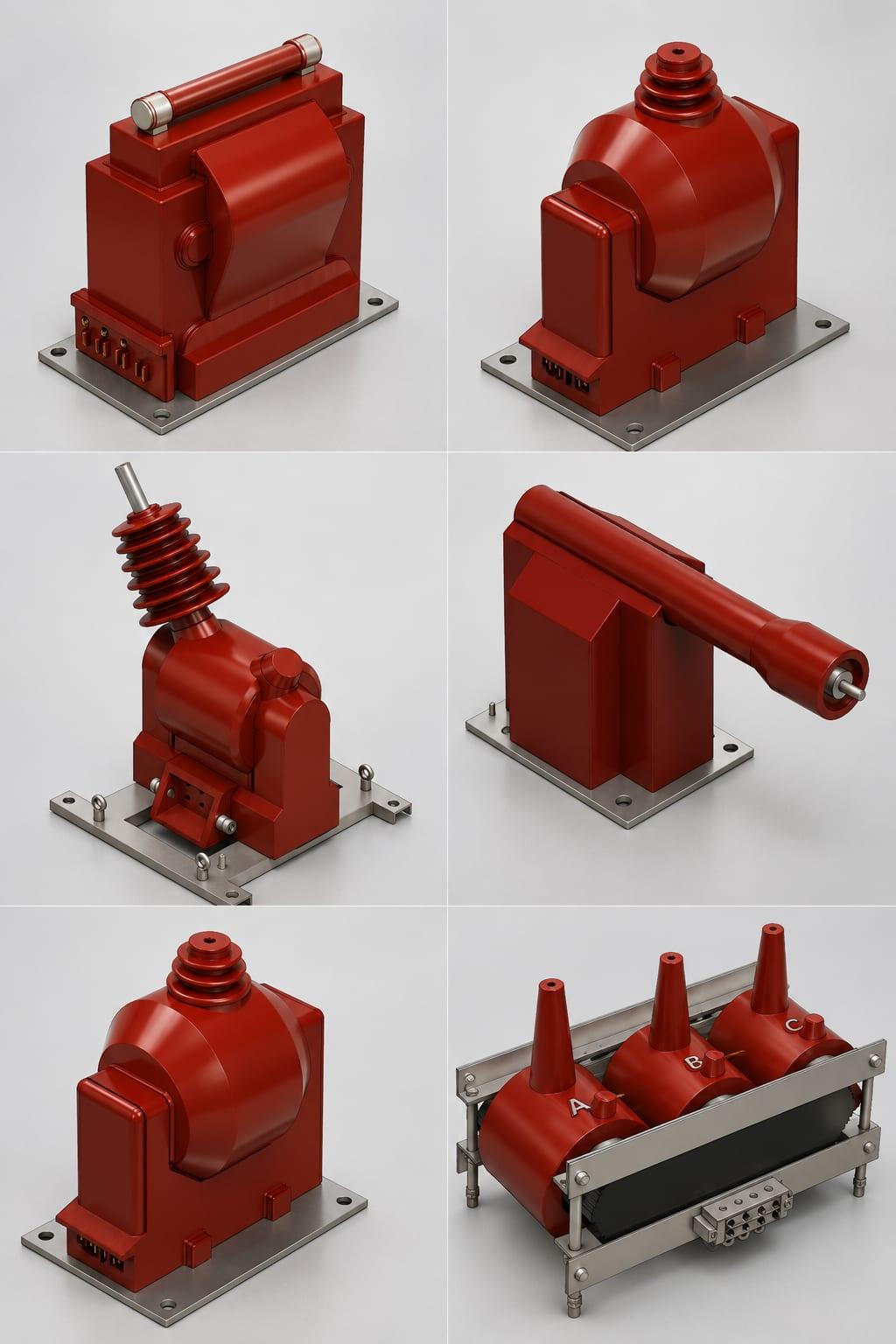
Epoxy resin bushings for transformer and switchgear terminations — cast to the creepage and clearance your rating class requires, from your drawing or the bushing being replaced.
Voltage class
Up to 36 kV
Resin
Hydrophobic epoxy
Process
APG cast
Overview
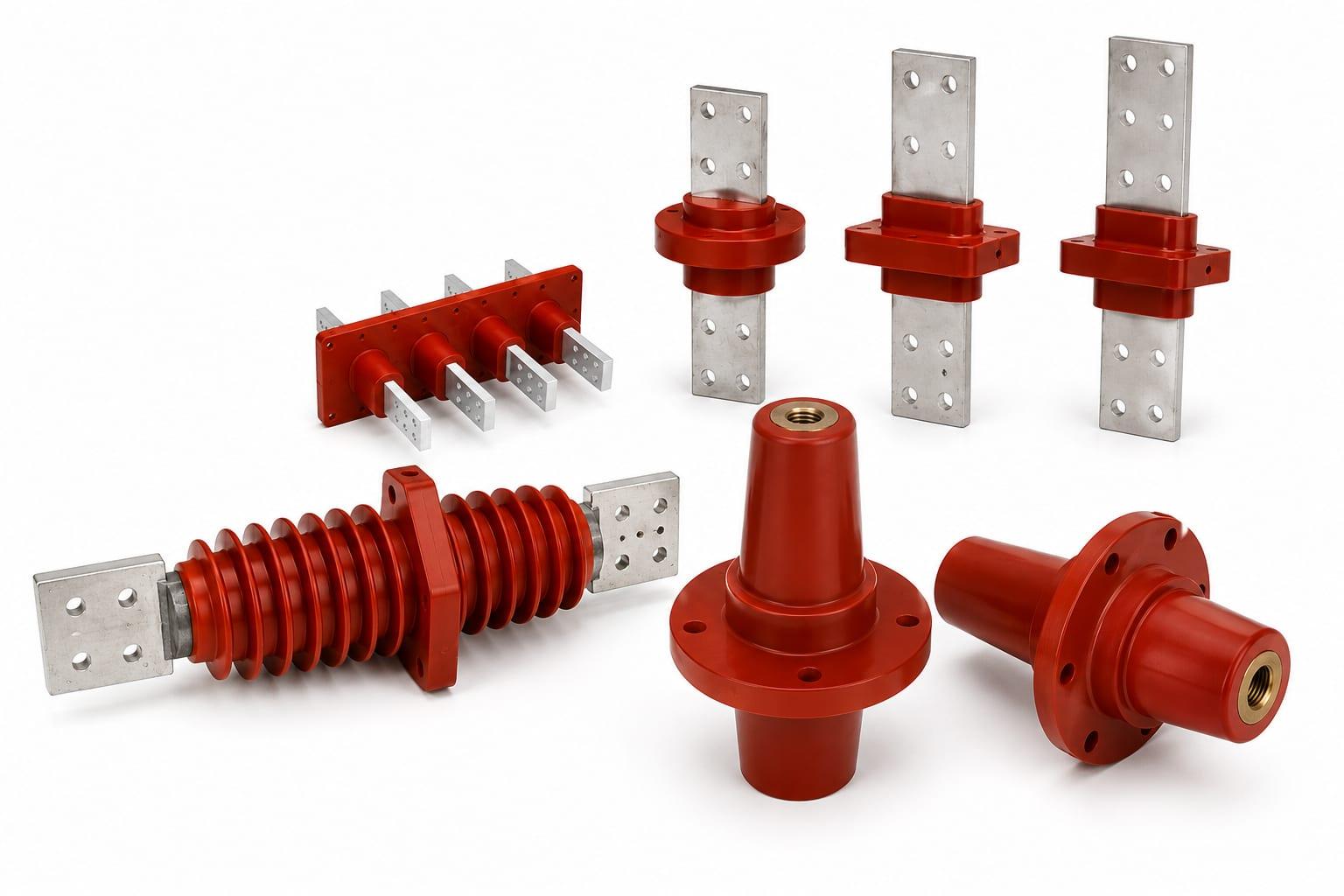
Epoxy Bushings Manufactured for Transformers & Switchgear
INDULF manufactures epoxy bushings for transformers, switchgear, busbar systems, and electrical distribution equipment, delivering reliable insulation where live conductors pass safely through grounded enclosures. Designed for HT and LT applications, every bushing is engineered to meet the electrical, mechanical, and dimensional requirements of the equipment it serves, ensuring dependable performance and long service life.
Using Automatic Pressure Gelation (APG) casting, bushings are manufactured from high-performance hydrophobic epoxy resin to achieve excellent dielectric strength, dimensional stability, and resistance to moisture, tracking, and environmental ageing. Precision-cast metal inserts, including terminal studs, mounting flanges, and earthing points, are integrated during production to ensure accurate fitment, secure electrical connections, and consistent installation across transformer and switchgear assemblies.
Alongside standard product configurations, INDULF develops custom epoxy bushings from engineering drawings, existing samples, or reverse-engineered components. Our in-house tooling and mold development capabilities enable the manufacture of discontinued profiles, OEM replacement bushings, and low-volume production runs without dependence on external tooling, significantly reducing lead times while maintaining dimensional accuracy and quality.
Every epoxy bushing is manufactured under controlled production processes and verified against relevant IS and IEC standards, providing dependable insulation performance, mechanical integrity, and compatibility with modern electrical infrastructure.
Specification basis
Voltage class
Up to 36 kV
Resin system
Hydrophobic cast epoxy
Creepage & clearance
To your rating and pollution class
Design basis
Your drawing, or the bushing being replaced
Why INDULF
Epoxy bushings manufactured for precise fit, dependable insulation, and long-term performance.
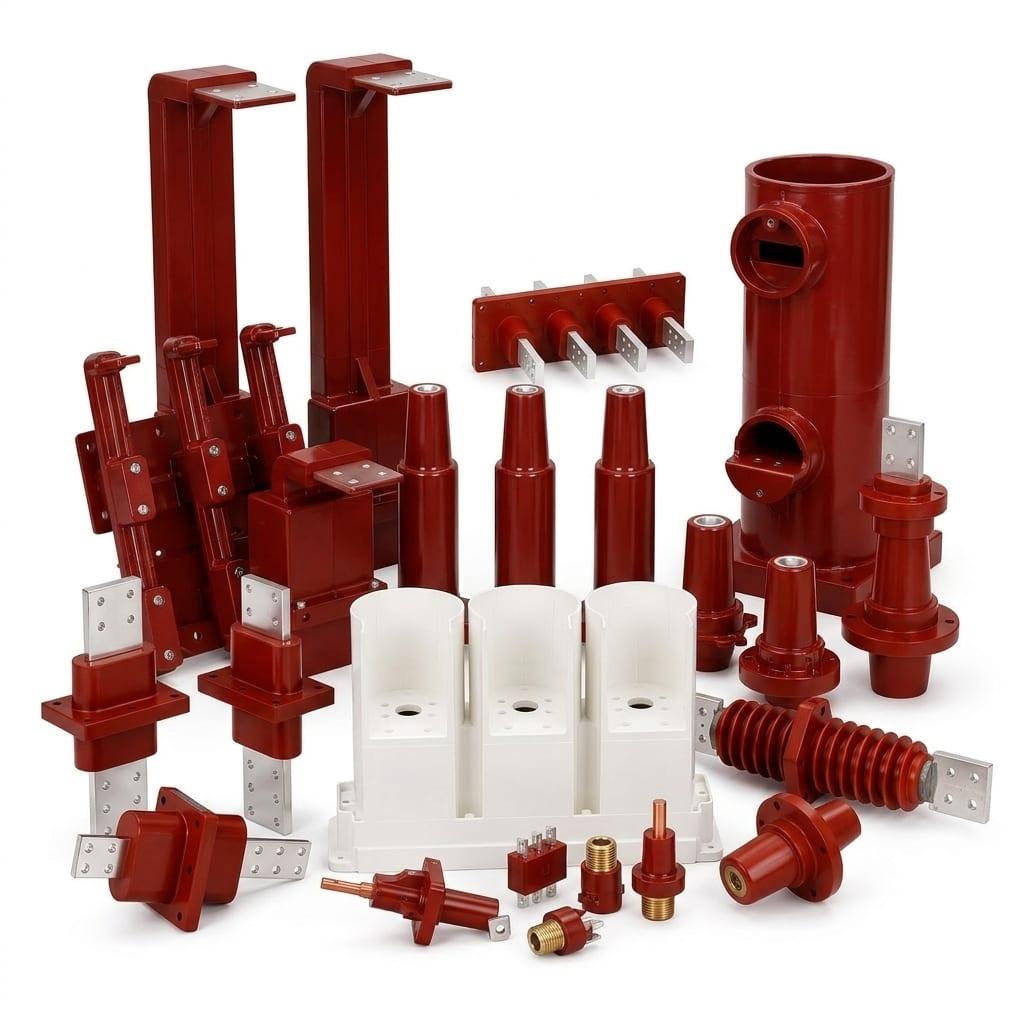
Every transformer and switchgear assembly demands a bushing that matches its electrical rating, mounting interface, and operating environment. INDULF manufactures standard and custom epoxy bushings using in-house tooling and APG casting, ensuring consistent insulation performance, dimensional accuracy, and reliable installation across every application.
- 01
Cast to creepage and clearance
Dimensioned to your rating class and the pollution conditions at site, rather than to a nearest-catalogue-match that clears on paper and not in the cubicle.
- 02
Custom & OEM Profiles
Bushings are manufactured from customer drawings, technical specifications, or existing samples, including discontinued and non-standard profiles.
- 03
Precision Metal Inserts
Terminal studs, mounting flanges, threaded inserts, and earthing points are accurately positioned during casting for secure fitment and reliable electrical connections.
- 04
APG under hydrophobic epoxy
Automatic Pressure Gelation (APG) casting produces dense, void-free epoxy bushings with excellent dielectric strength and long-term mechanical stability.
- 05
In-House Tooling & Development
Molds are designed, manufactured, and modified in-house, enabling rapid prototyping, custom geometries, and low-volume production without external tooling delays.
- 06
Quality Assured Manufacturing
Every epoxy bushing is manufactured under controlled production processes and verified for dimensional accuracy, insulation integrity, and compliance with applicable IS and IEC standards.
Applications
Where cast bushings go
Indoor terminations, feed-throughs, and replacements for profiles the original manufacturer has stopped supporting.
Retrofit & obsolete-part replacement
A failed or discontinued bushing, insulator, or interrupter housing measured from the sample and re-tooled when the OEM no longer supplies it, reverse-engineered to fit the existing panel without modification.
New-build switchgear & EPC packages
Cast components supplied to drawing for contractor-built switchyard, substation, and panel packages: RYB spouts, support insulators, and terminations to the panel interface.
Utility & DISCOM distribution
Indoor HT terminations and instrument-transformer housings across utility distribution substations and DISCOM feeder panels.
Industrial & infrastructure HT systems
Support insulators, bushings, and cable spouts inside factory medium-voltage switchboards, plus replacement epoxy parts for metro, rail, and plant power systems.
Looking for a different type?
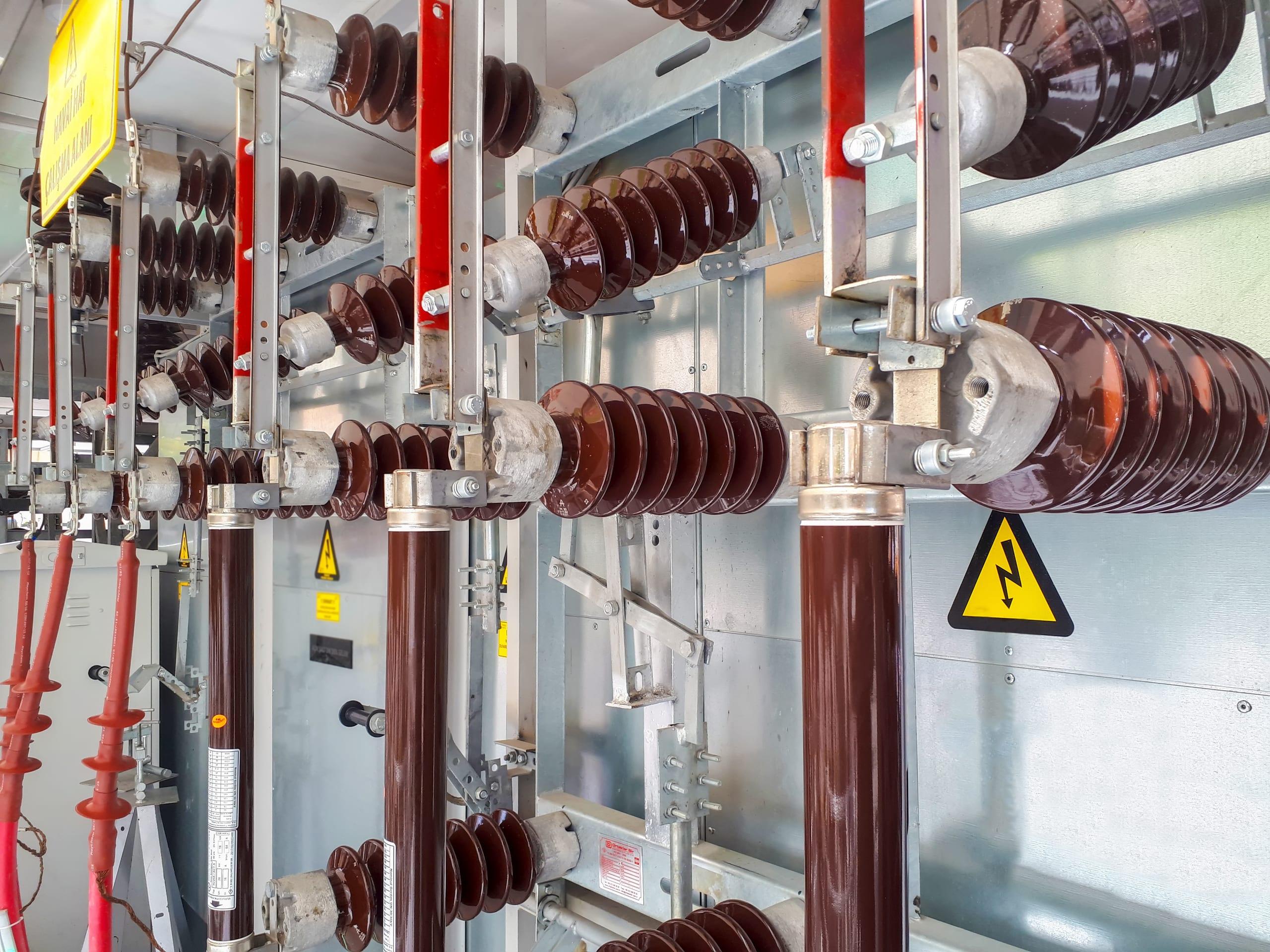 Epoxy castInsulatorsSupport and post insulators for indoor HT/LT switchgear and busbar systems.
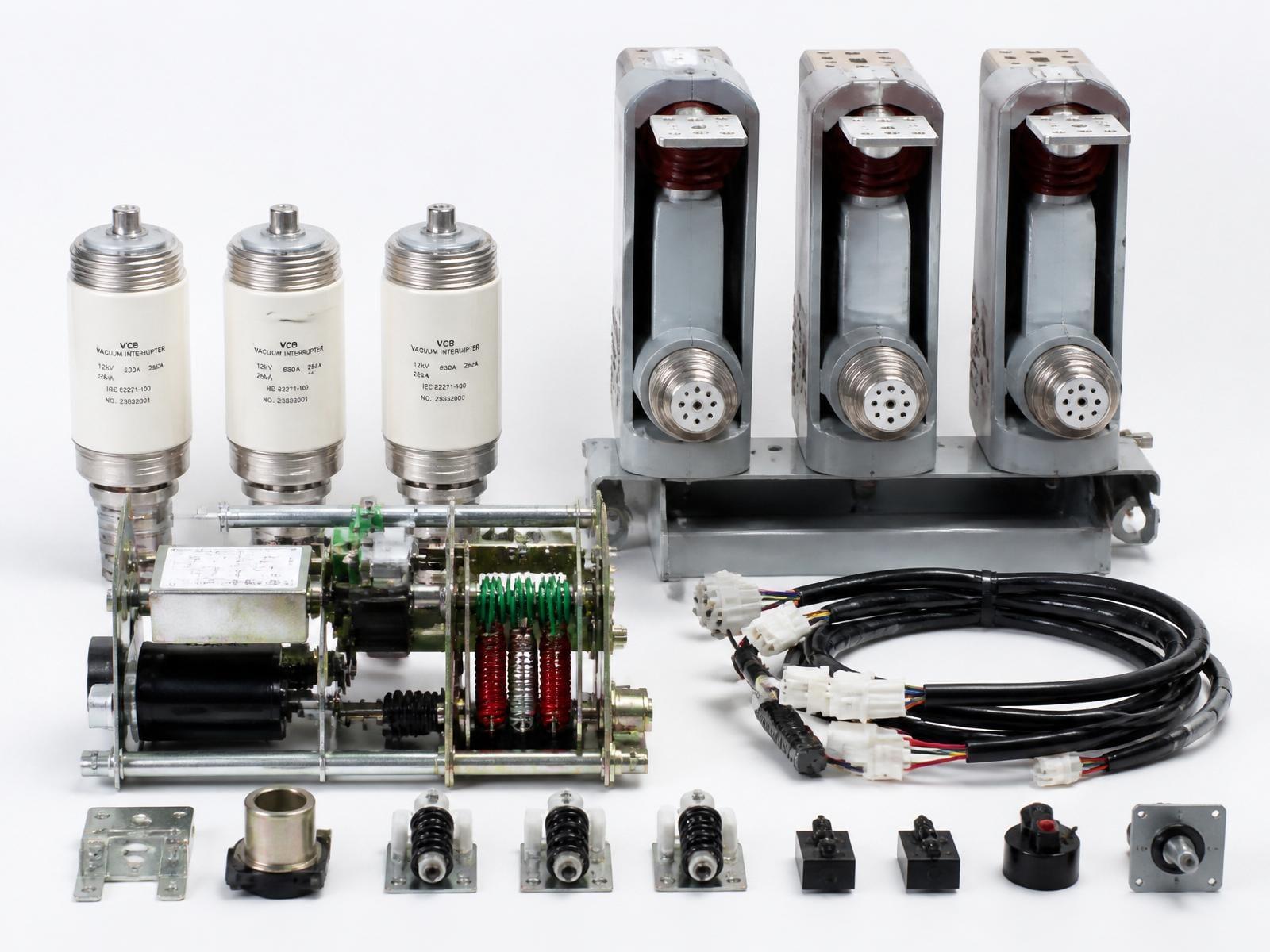 Epoxy castRYB SpoutsPhase-identified cable spouts and terminations for switchgear cable boxes.
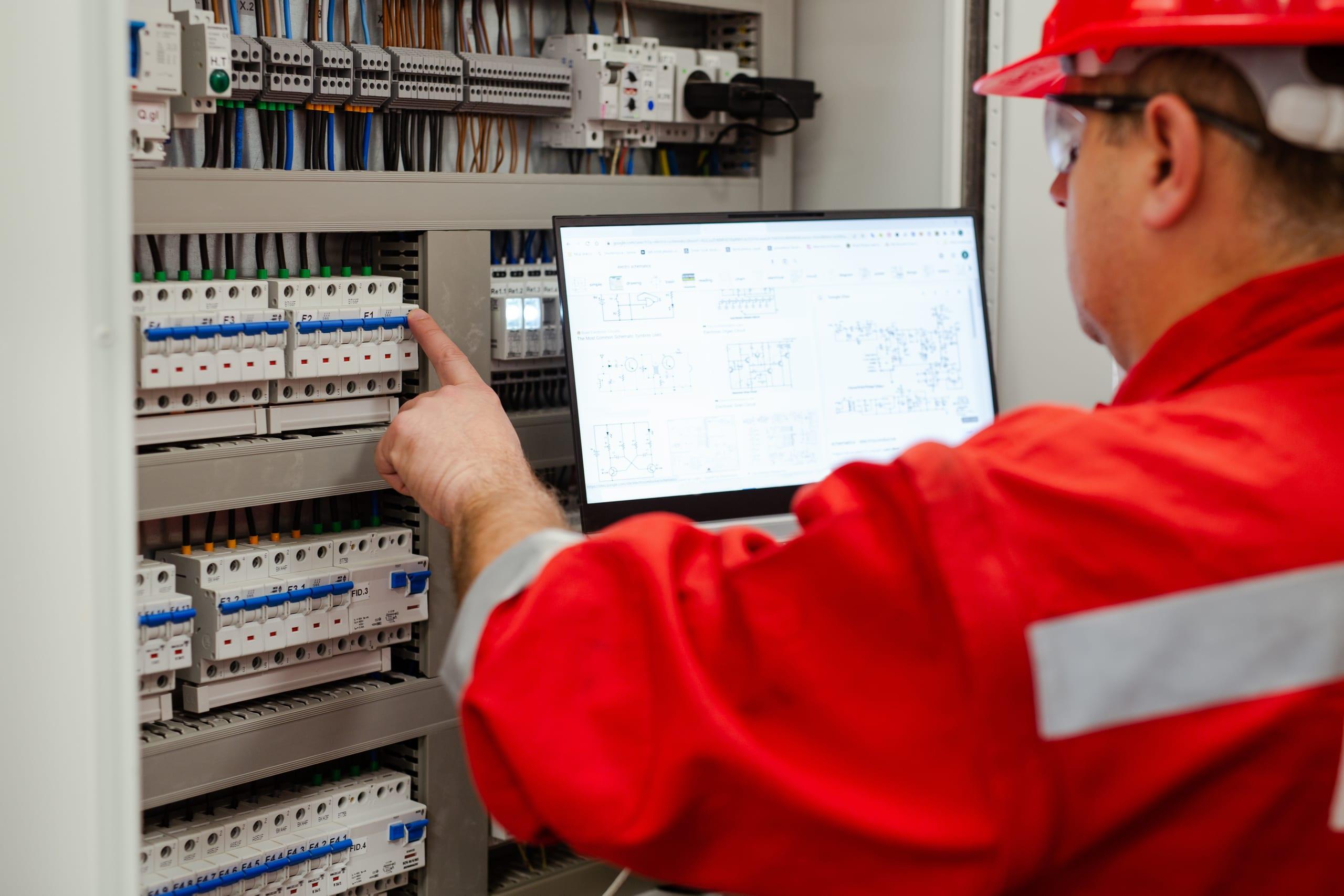 Epoxy castVCB Interrupter HousingEpoxy interrupter pole housings cast to the OEM profile.
Explore More from INDULF
Discuss your epoxy bushings requirement
Whether replacing an obsolete component or developing a new design, INDULF manufactures epoxy bushings engineered to your exact application.
01
Submit Drawings or Sample
Share engineering drawings, dimensions, specifications, or the existing component for evaluation.
02
Receive an Engineering Proposal
We recommend the appropriate design, confirm manufacturability, provide pricing, and share realistic production timelines.
03
Production & Dispatch
Every component is produced under controlled manufacturing processes, inspected for quality, and delivered with the required documentation.