
Tools · Calculator
kVA, kW & Amp Calculator
Calculate kVA, kW, current, and power conversions for single-phase and three-phase electrical systems. Get instant results, standard transformer ratings, and engineering formulas in one place.
How it works
The formulas this calculator runs.
Voltages are converted to volts before any formula is applied, so a value entered in kV never reaches the arithmetic unconverted. √3 is used at full double precision and never as a truncated 1.732, which keeps three-phase results accurate at HV magnitudes: at 11 kV and 1000 A the approximation is already out by more than half a kVA.
Formulas
- Single phase
- S (VA) = V × I
- Three phase, line-to-line
- S (VA) = √3 × V(L-L) × I
- Three phase, line-to-neutral
- S (VA) = 3 × V(L-N) × I
- Full-load current
- I = (S(kVA) × 1000) ÷ (√3 × V(L-L))
- Real and apparent power
- kW = kVA × PF · kVA = kW ÷ PF
- Watts to kVA
- S (kVA) = P(W) ÷ (1000 × PF)
Worked examples
Example 1 — three-phase, line-to-line
Given: 3-ph L-L, 415 V, 1400 A
S (VA) = √3 × 415 × 1400 = 1,006,321.52 VA
S (kVA) = 1,006,321.52 ÷ 1000 = 1006.32 kVA
Next standard rating: 1250 kVA
Example 2 — single phase
Given: 1-ph, 240 V, 10 A
S (VA) = 240 × 10 = 2400.00 VA
S (kVA) = 2.40 kVA
Example 3 — kVA to full-load amps
Given: 1000 kVA, 11 kV, 3-ph L-L
I = (1000 × 1000) ÷ (√3 × 11,000)
I = 52.49 A
Example 4 — watts to kVA
Given: 10,000 W, PF 0.8
S (kVA) = 10,000 ÷ (1000 × 0.8) = 12.50 kVA
Concepts
The four numbers behind every sizing decision.
kVA
Apparent power
The total power the source has to supply — the vector combination of real (kW) and reactive (kVAr) power. Transformers, alternators and cables are sized in kVA because it is what actually stresses the winding and conductor, regardless of the load's power factor.
kW
Real (active) power
The power actually doing useful work — turning shafts, heating elements, driving lights. Related to kVA by the power factor: kW = kVA × PF. A poor power factor means the equipment carries current for no useful output.
PF
Power factor
The ratio kW ÷ kVA, between 0 and 1. Motor-heavy plants often sit around 0.8 lagging; well-corrected installations approach unity. Nameplate ratings on gensets and UPS units almost always quote kVA at a stated reference power factor.
√3
The three-phase line factor
For balanced three-phase systems using line-to-line voltage, apparent power is √3 × V × I, not simply V × I. This is a geometric consequence of the 120° phase separation, not a power factor. Getting it wrong under-sizes equipment by about 42%.
From the catalogue
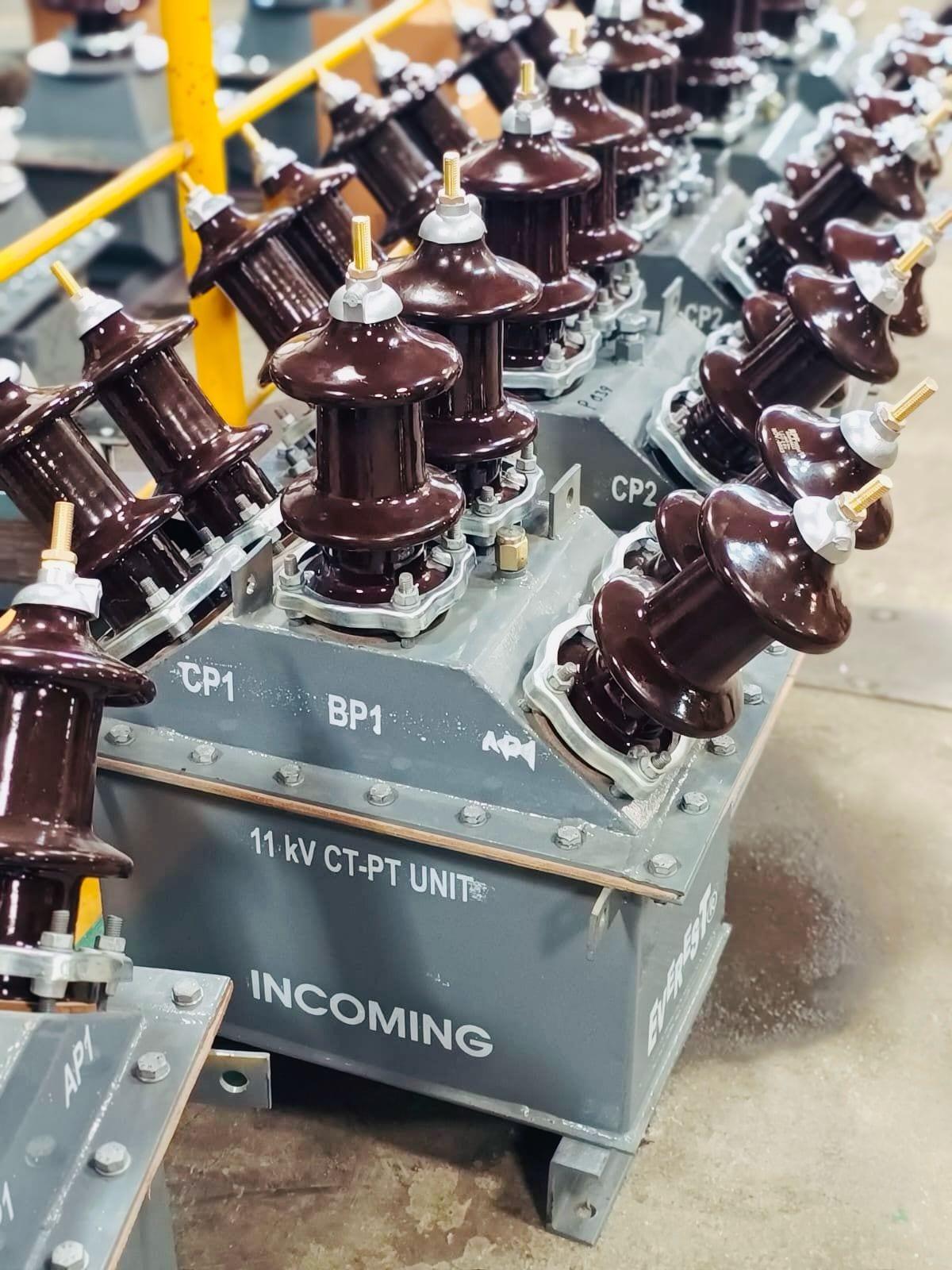
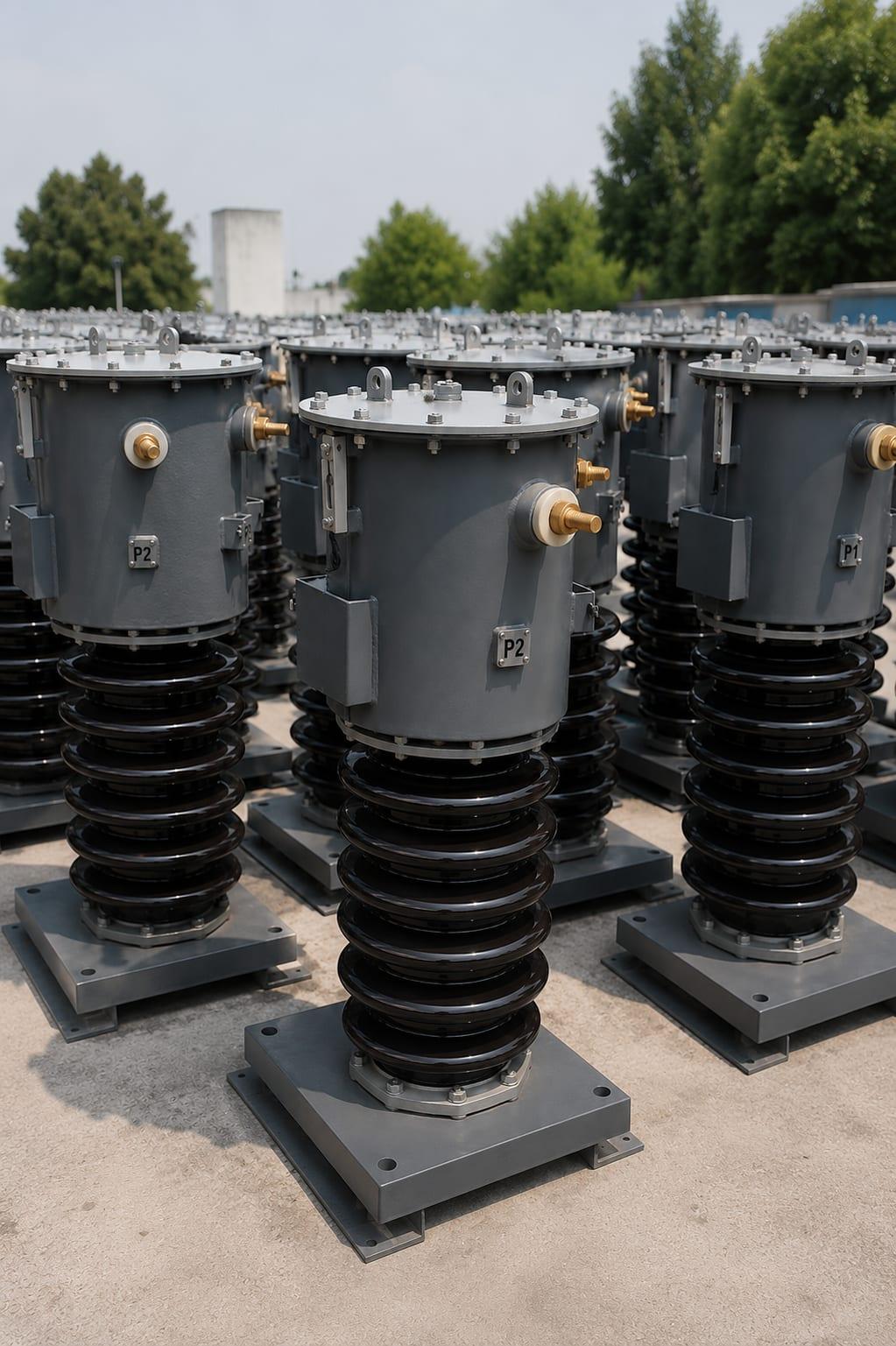
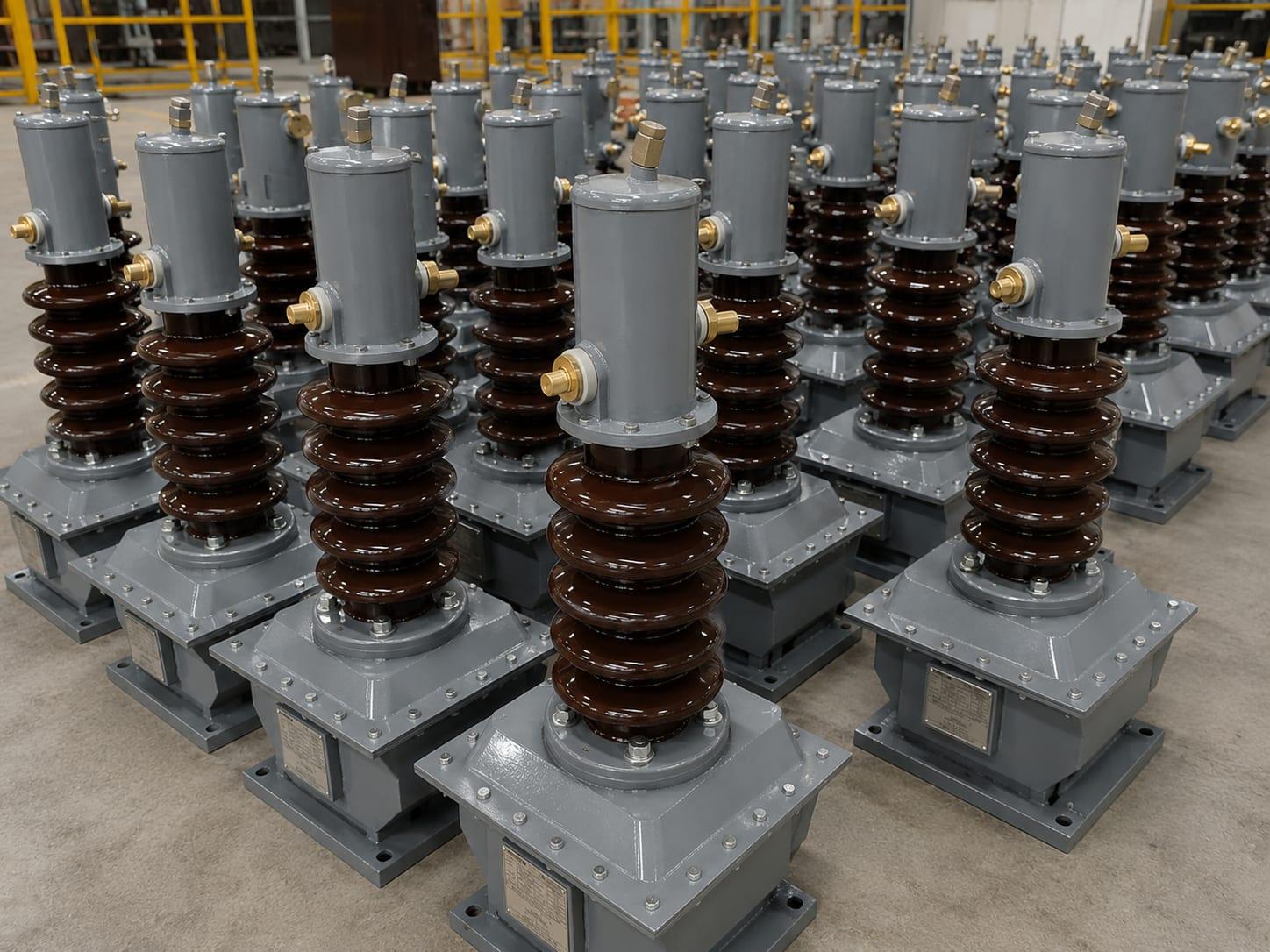
Explore More from INDULF
Browse full catalogue →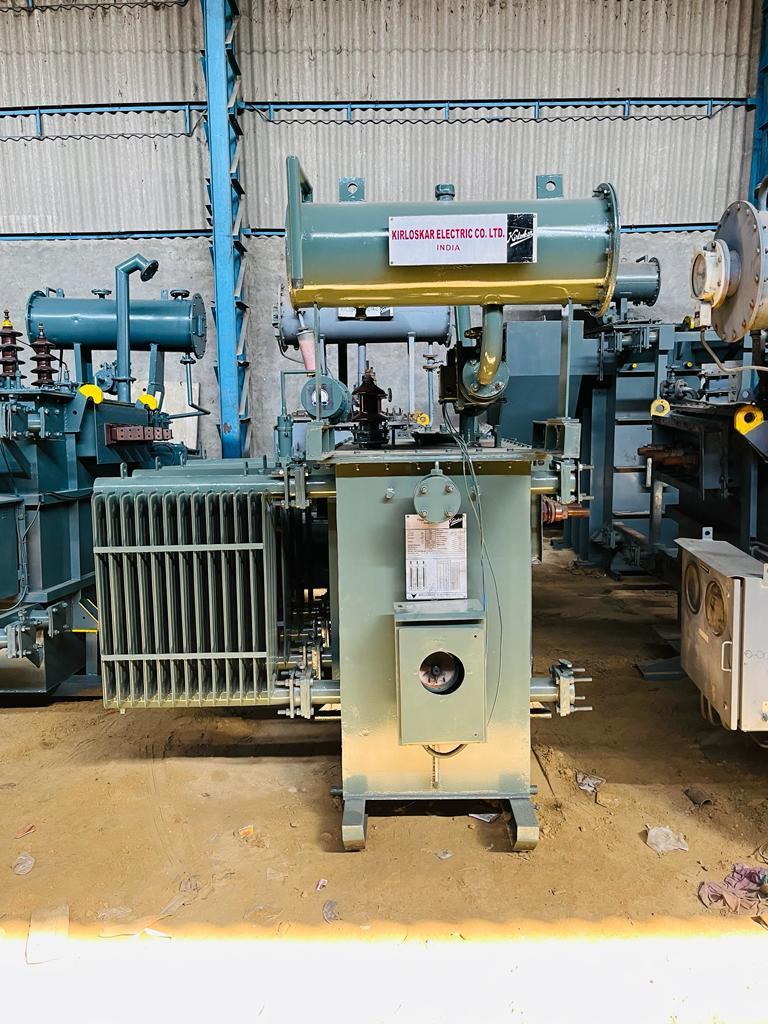

FAQ
Questions engineers actually ask us.
If your sizing case is not covered here, send us the load schedule and we will work through it with you.
Start an enquiry →What's the difference between kVA and kW?
kVA is apparent power — the total power the source has to supply. kW is real power — the portion actually doing work. They are linked by the power factor: kW = kVA × PF. Transformers and generators are rated in kVA because their limits are set by current and voltage, not by how efficiently the load happens to use that current.
Why is there a √3 in the three-phase formula?
For a balanced three-phase system measured line-to-line, the phase voltages are 120° apart. The vector sum works out to √3 × V(line-to-line) × I. If you use line-to-neutral voltage instead, the formula becomes 3 × V(L-N) × I — the same physics, a different reference voltage.
How do I pick the next standard transformer rating?
Always round up, never down. This calculator picks the smallest rating from a standard series (25, 63, 100, … 25000 kVA) that is greater than or equal to the calculated load. A rating below the load would run overloaded from day one.
What power factor should I use if I don't know mine?
0.8 is a reasonable default for a mixed industrial installation with induction motors. Data centres and LED-heavy loads run higher, around 0.9 to 0.95. If you have utility bills showing kWh and kVAh, divide them to get the actual figure. Where capacitor banks or active correction are already installed, ask for the corrected value — using the uncorrected number will over-size the equipment.
The result shows an MVA figure in brackets — when does that appear?
Only when the calculated kVA exceeds 2000 kVA. Below that, transformers are quoted in kVA in the industry. Above it, MVA becomes the conventional unit. The kVA figure always remains the primary display.
Need a real quote?
From calculation to committed spec — talk to an engineer.
A calculated kVA is the start of a specification, not the end of one. Send us the duty and we will come back with a rating, a vector group and a delivery position.