Skip to content

Engineering Tools

Engineering tools for practical calculations.

Browse calculators and technical tools for electrical systems, transformers and industrial applications. Each tool includes the underlying formulas and example calculations to help you understand how the results are derived.

Calculators

Common engineering calculations in one place.

Use calculators for transformer sizing, metal weight estimation and other engineering calculations. Additional calculators will be added as the collection expands.

01Live

kVA, kW & Amps Calculator

Transformer & load sizing

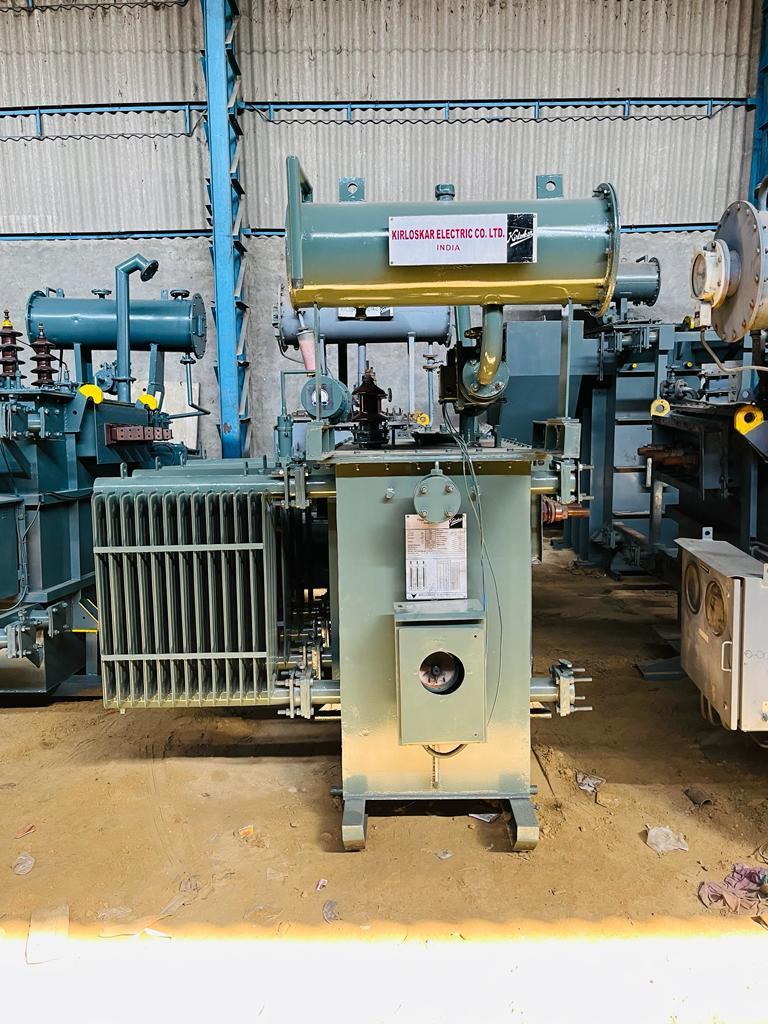
Convert between kVA, kW, current and voltage for single-phase and three-phase systems. Also includes MVA conversion and the next standard transformer rating.

Inputs

  • Voltage
  • Current
  • Power factor
  • Phase

Outputs

  • kVA/MVA
  • Power (kW)
  • Next Standard Rating
Open calculator
02Coming soon

Metal Weight Calculator

Bar, sheet, tube & profile weight

Calculate the weight of copper, aluminium and steel components using dimensions and material properties. Suitable for busbars, windings, structural members and fabricated sections.

Inputs

  • Material
  • Shape
  • Dimensions
  • Length

Outputs

  • Weight (kg)
  • Weight per meter
  • Volume

Knowledge Hub

Go beyond the calculation.

Explore articles, guides and technical references covering engineering, technology, manufacturing, infrastructure, business and other topics that shape modern industry.

  • Guides
  • Articles
  • Field notes
Visit the Knowledge hub

Explore More from INDULF

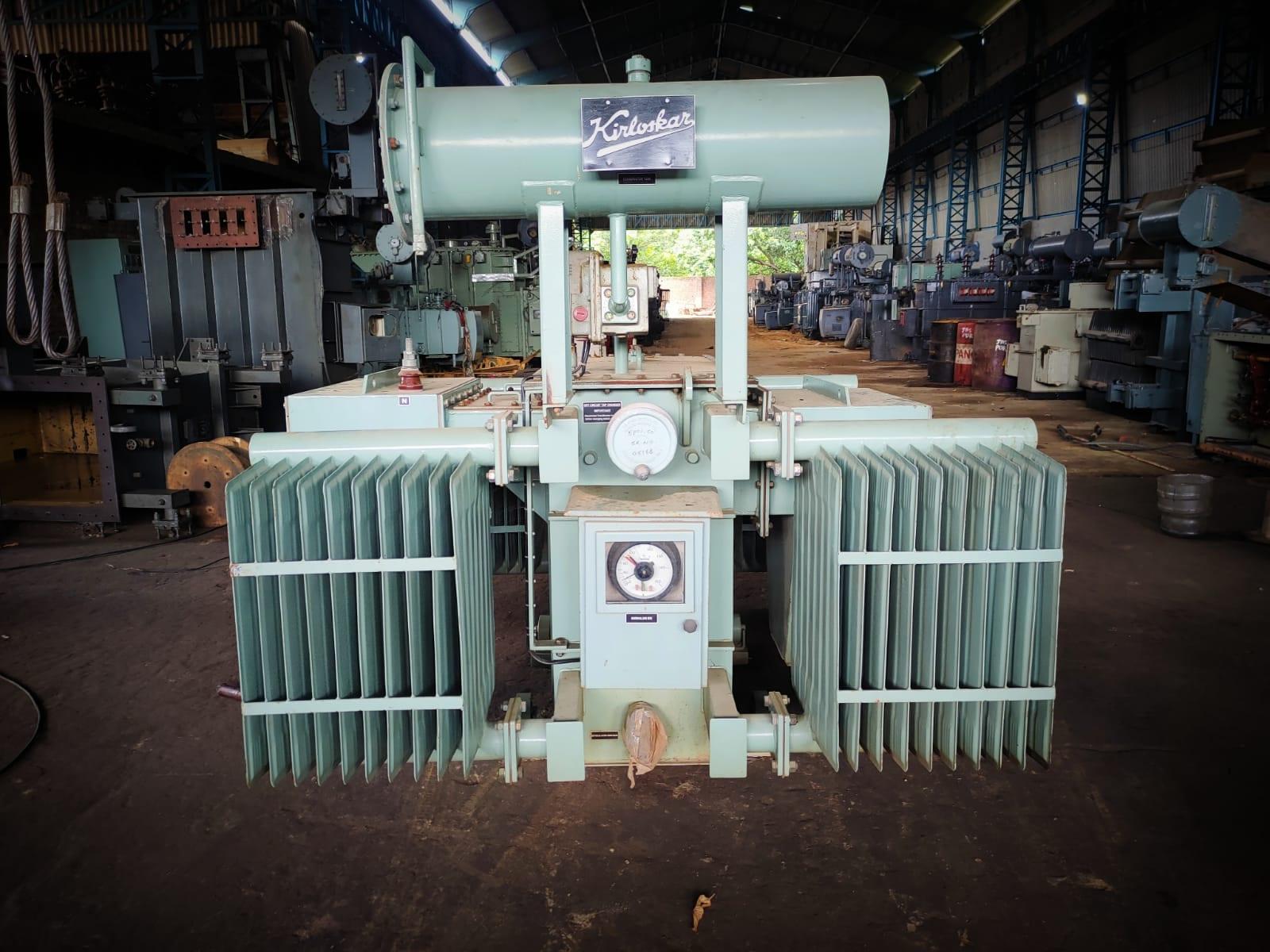
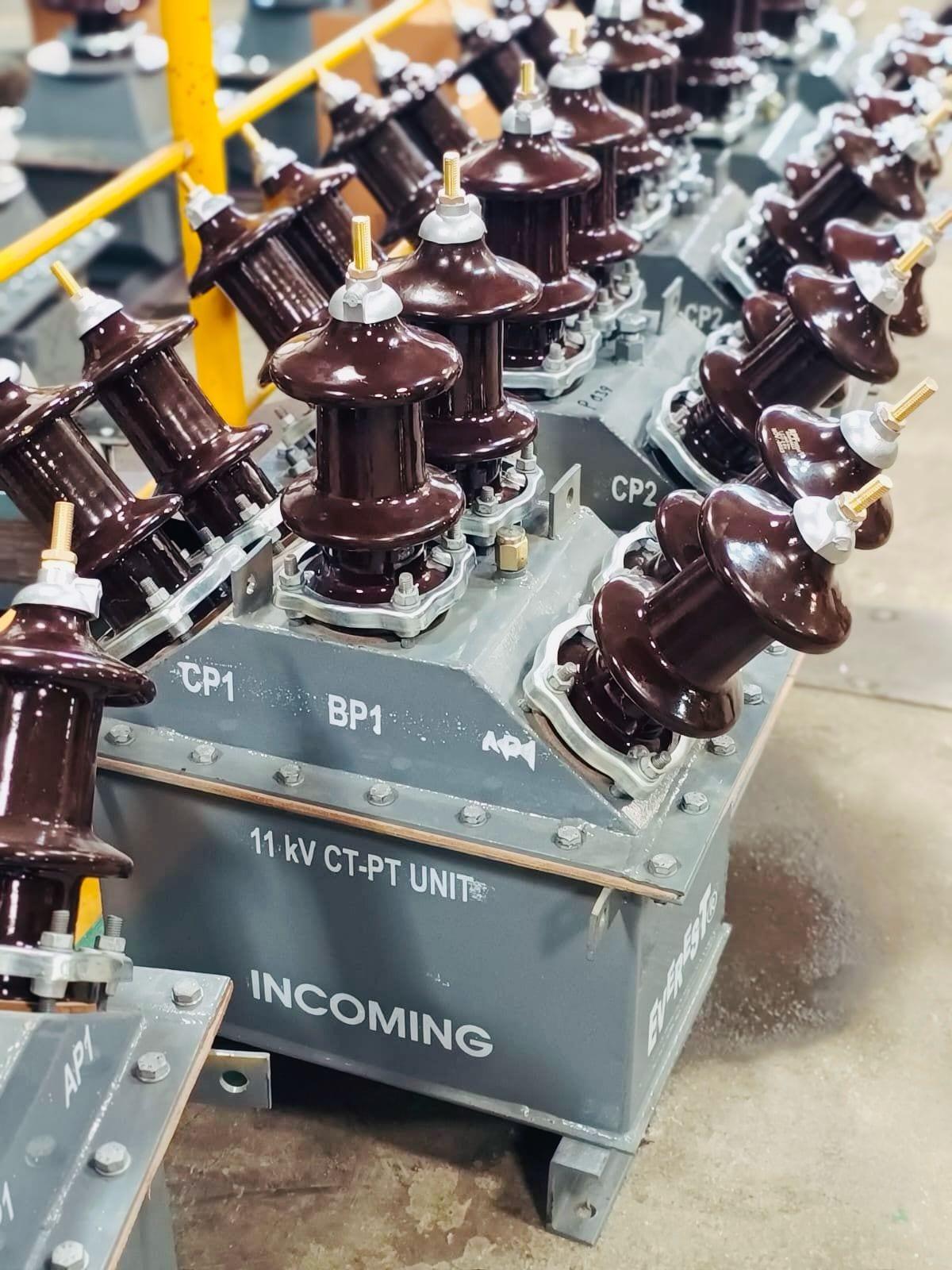
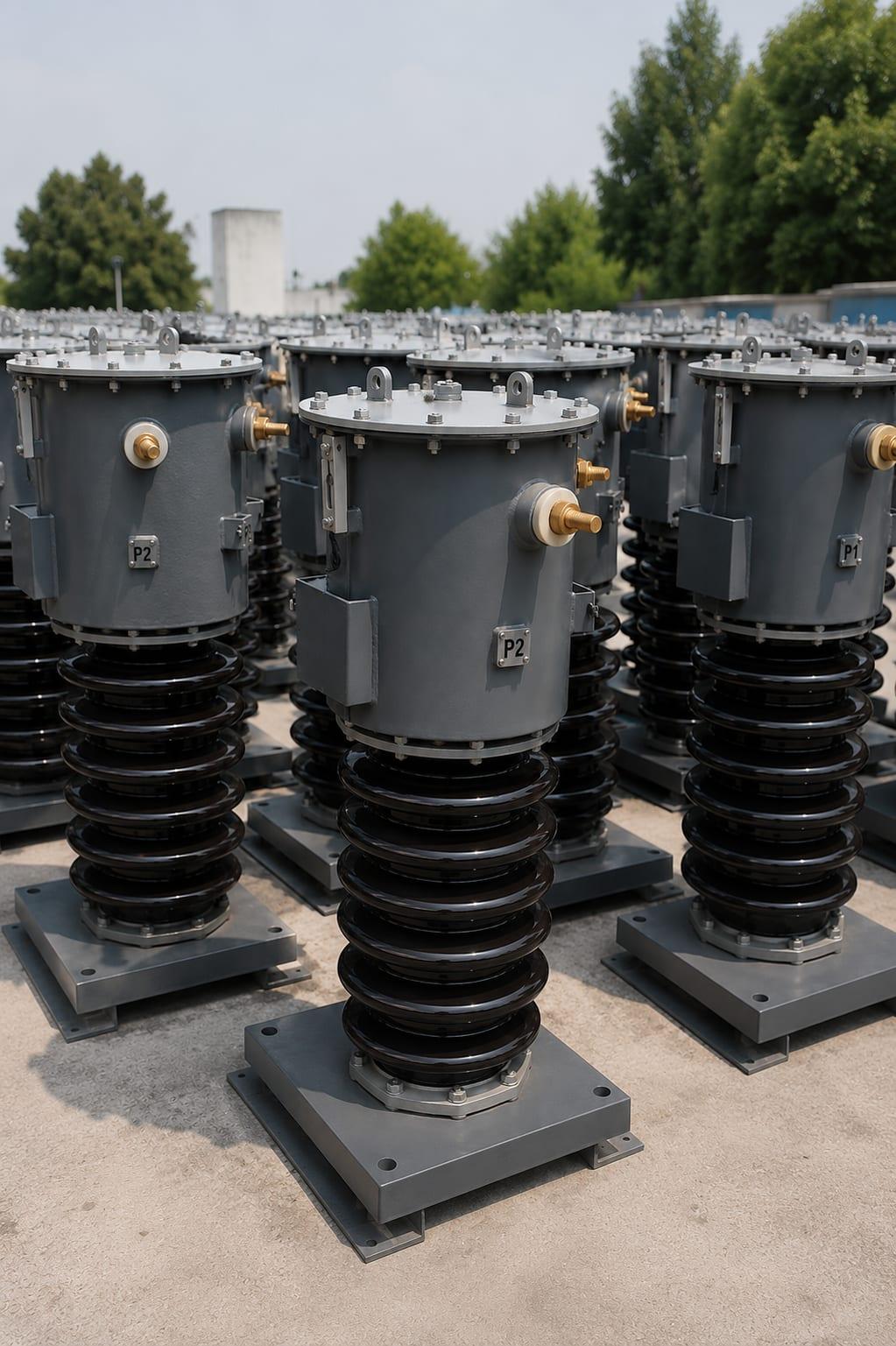
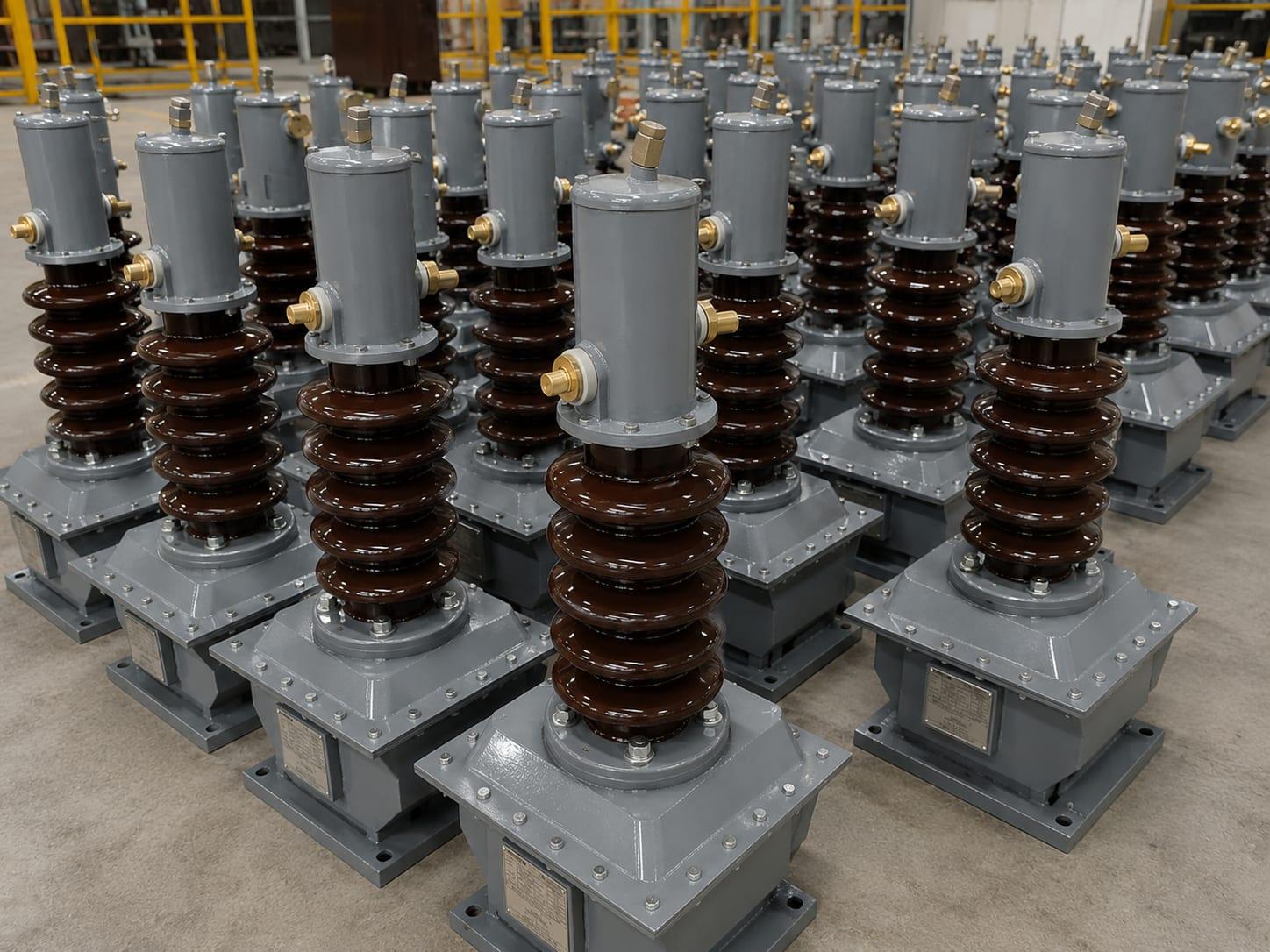
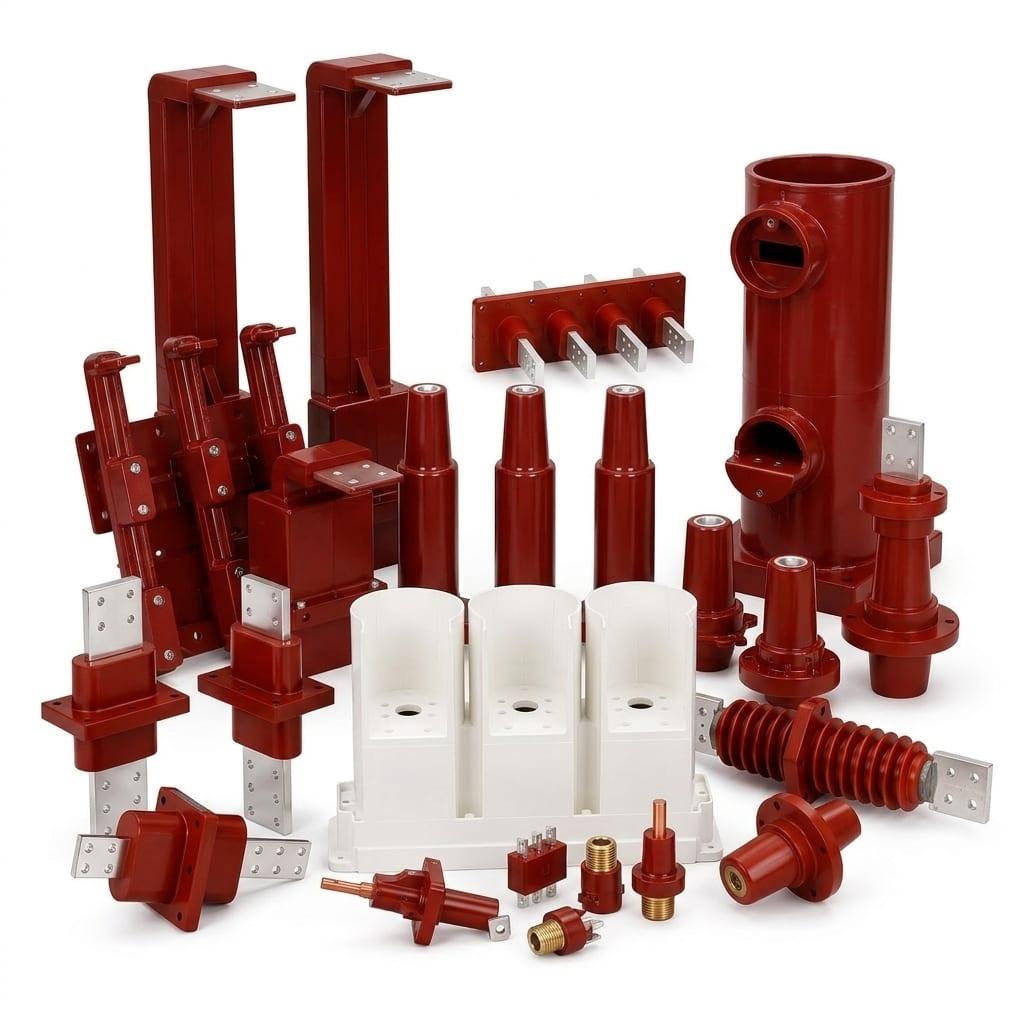
Equipment the calculators are built around.

Browse full catalogue
Engineers on the shop floor working through equipment specifications

Tell us what to build

A calculator missing? Tell us what you’d use next.

Every tool here started as a calculation someone on our desk was still running by hand. Cable sizing, short-circuit withstand, efficiency and loss capitalisation are all on the list. If yours is not, say so and it moves up.

  • 01The calculation you keep repeating, and the standard or formula you work it against.
  • 02What you need it to output, and to what precision — a figure you can quote, or a rating you can order.
  • 03Where it goes wrong today: the unit slip, the assumption, or the lookup table nobody can find.